How Cat Metabolism Changes From Kitten to Senior (And What to Feed at Every Stage)
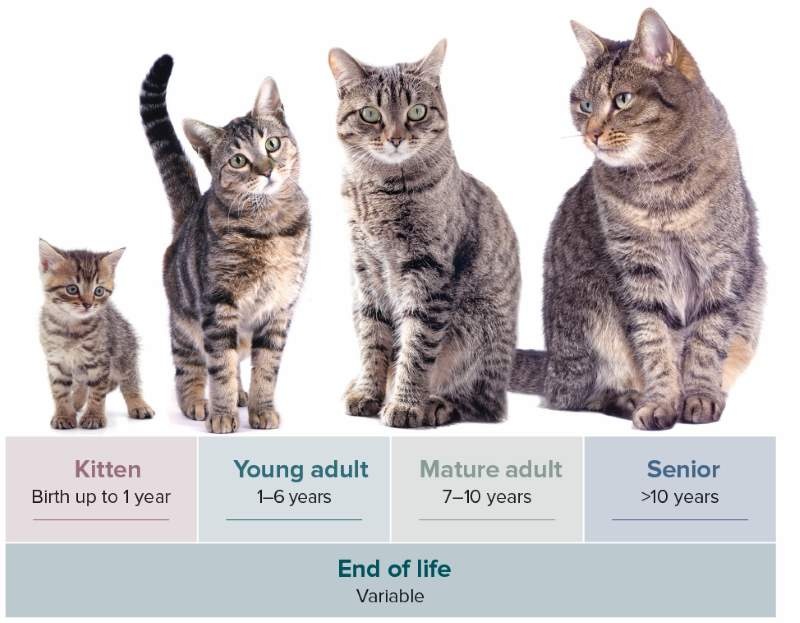
The food that's perfect for a 6-month-old kitten will make a 12-year-old cat obese. The food that's perfect for a senior will starve a growing kitten. Metabolism changes dramatically over a cat's life. Feed the same way at every stage, and you'll get problems. Here's what actually changes — and what to do about it. I've raised Milo from 4 months to 7 years, and Luna from 6 months to 4. I've watched their needs shift. The numbers don't lie, and neither does the scale.
Life Stage 1: Kitten (0-12 months) — The Growth Engine
Kittens have the highest metabolic rate of any life stage. They need 2-3 times more calories per pound of body weight than adult cats. A 2-pound kitten might need 150-200 calories per day. A 5-pound kitten, 250-300 calories. But here's what most people get wrong: kitten metabolism isn't just about quantity. It's about nutrient density. Kittens need higher protein (35-50% dry matter), higher fat (20-30%), and specific calcium/phosphorus ratios for bone development. Feeding adult food to a kitten can cause growth abnormalities.
Kittens should eat 3-4 meals per day because their stomachs are tiny. Free-feeding is common but risky — it can lead to overfeeding and predispose to obesity later. A 2023 study found that kittens who were free-fed gained weight faster and were more likely to be overweight at age 2 than those on scheduled meals. What to feed: AAFCO-approved kitten formula (wet or dry). Look for protein > 40% dry matter, fat > 20%.
Life Stage 2: Junior (1-2 years) — The Transition Zone
Many owners keep feeding kitten food until age 2. That's too long. Most cats reach adult size by 10-12 months. After that, extra calories go to fat, not growth. At 12 months, switch to adult food and reduce calories by 20-25%. This is also when most cats are neutered. If you haven't adjusted calories post-neuter, do it now. What to feed: Adult maintenance formula. Protein 35-45% dry matter, fat 15-20%.
Life Stage 3: Prime (3-6 years) — The Maintenance Phase
This is the easiest stage. Metabolism is stable. Weight is steady if portions are correct. Most cats in this stage are healthy and active. But this is also when obesity often starts. Owners get comfortable. They stop measuring. They add "just a little more." The pounds creep on. By age 6, many cats are already overweight. At this stage, weigh your cat monthly. If the number creeps up, cut back immediately. What to feed: Adult maintenance. Adjust portions to maintain BCS of 4-5.
Life Stage 4: Mature/Senior (7-10 years) — The Slowdown Begins
Metabolism starts to decline. A 2024 study measured RER in cats aged 7-10 and found it was 10-15% lower than in cats aged 3-6. Same weight, fewer calories needed. But here's the twist: senior cats also have reduced protein digestion efficiency. They need higher protein density (45-50% dry matter) to maintain muscle mass, but fewer total calories because they're less active. That means switching to a senior formula — which typically has moderate protein, lower fat, and added joint supplements. If you keep feeding adult food, you'll need to reduce portions significantly. What to feed: Senior formula or adult food with adjusted portions. Add omega-3s for joint health.
Life Stage 5: Geriatric (11+ years) — The Specialized Phase
By age 11, most cats have some chronic condition: kidney disease, arthritis, hyperthyroidism, diabetes, or dental disease. Each condition changes nutritional needs. General rules: Maintain muscle mass with high-quality protein (unless restricted for kidney disease). Monitor weight closely — unplanned weight loss is dangerous at this age. Feed smaller, more frequent meals if appetite is poor. Many geriatric cats prefer wet food (easier to eat, more appealing). Some need appetite stimulants. Work with your vet on condition-specific diets.
I had a client — I'll call her Margaret — with a 15-year-old cat named Simon. Simon had been on the same adult food for years. At his senior checkup, he'd lost muscle mass but maintained weight. His BCS was a 5 — ideal — but he was weak. We switched him to a high-protein senior wet food. Within 3 months, he'd gained muscle, his coat improved, and he started jumping on the couch again. Margaret said, "I thought old age was just decline. I didn't know I could help him."
Milo is 7 — entering the mature stage. I've already reduced his calories by 10% and added a joint supplement. He hasn't noticed. Luna is 4 — prime. She's stable. I weigh them both monthly. Metabolic changes are gradual. You won't notice a 5% drop in RER from year to year. But over 5 years, that's a 25% difference. Feed the same amount, and your cat will gain weight slowly, then all at once. Calculate your cat's current stage. Compare your portions to the recommendations for that stage. If you've been feeding the same amount for years, recalculate today. Your cat's metabolism isn't static — your feeding shouldn't be either. They depend on you to notice. Don't let them down.
— Olivia Brennan

Olivia Brennan
Certified Veterinary Nutritionist with 8 years of clinical experience. Creator of Cat Calorie Tool. Based in Portland, Oregon with two rescue cats: Milo and Luna.