The Real Cost of Cat Obesity: What 61% of Cat Parents Don't Know
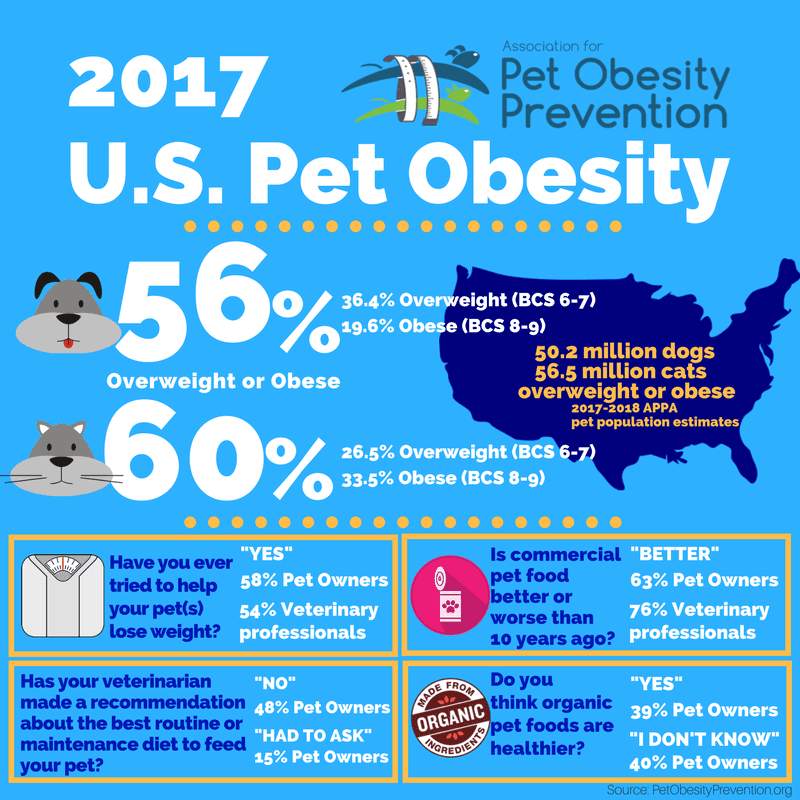
We talk about cat obesity like it's a cosmetic issue. "Fluffy would look cuter if she lost a pound." It's not cosmetic. It's medical. And the cost is higher than most people realize. The APOP 2025 survey found that 61% of U.S. cats are now overweight or obese. That's up from 59% in 2018. And 33% of cats are classified as obese — not just a little heavy, but medically obese. But here's the number that keeps me up at night: only about 1 in 5 cat parents who attempt weight loss succeed. Not because they're bad owners. Because the system doesn't support them. And because most people don't understand what's actually at stake.
The True Health Cost of Excess Weight
Carrying extra pounds isn't just hard on a cat's joints. It affects every organ system. Diabetes mellitus. Obese cats are 3-5 times more likely to develop diabetes than lean cats. Fat cells produce hormones that interfere with insulin sensitivity. A 2023 study in the Journal of Veterinary Internal Medicine found that over 80% of newly diagnosed diabetic cats were overweight or obese at diagnosis. The good news: weight loss alone can achieve diabetic remission in many cats — no insulin required.
Osteoarthritis and mobility issues. Every extra pound adds 3-4 pounds of pressure on a cat's joints. For a cat with arthritis, that extra weight can mean the difference between jumping on the couch and sleeping on the floor. A 2022 study found that overweight cats develop arthritis 2-3 years earlier than lean cats of the same breed. Urinary tract disease. Obese cats are less likely to groom properly. They're also more likely to develop calcium oxalate bladder stones. And they're at higher risk for FLUTD (feline lower urinary tract disease). A 2024 retrospective study of 1,200 cats with urinary obstruction found that over 70% were overweight or obese.
Respiratory issues. Excess fat around the chest and abdomen restricts breathing. Obese cats tire more easily during play — not because they're lazy, because they're struggling to get enough oxygen. Hepatic lipidosis. This is the scary one. When an overweight cat stops eating for even 24-48 hours, their body releases massive amounts of fat into the liver. The liver can't process it fast enough. Fat accumulates, liver function fails. Hepatic lipidosis can be fatal. And it's almost entirely preventable by keeping cats at a healthy weight.
The Financial Cost (This Might Shock You)
A 2023 analysis in Veterinary Economics compared lifetime veterinary costs for lean vs. overweight cats. Over a 15-year lifespan, overweight cats cost owners an average of $2,400 MORE in veterinary bills. That's not counting the extra food (overweight cats eat more before they become overweight). It's not counting the joint supplements, the prescription diets, the extra blood work. It's just the direct cost of treating obesity-related conditions: diabetes, arthritis, urinary disease, and liver problems.
I had a client — I'll call her Diane — with a 9-year-old obese cat named Mittens. Mittens developed diabetes. Insulin cost $150 per month. Prescription food cost $90 per bag. Blood glucose curves at the vet cost $200 every 3 months. In one year, Diane spent over $2,500 managing Mittens' diabetes. She told me, "I wish someone had told me years ago that preventing obesity was cheaper than treating it."
The Emotional Cost (We Don't Talk About This Enough)
Watching your cat struggle is heartbreaking. The inability to groom. The labored breathing after a short walk. The look of confusion when they can't jump onto their favorite windowsill. And the guilt. The constant, nagging guilt. "Did I do this? Am I the reason my cat is suffering?" I've sat with dozens of cat parents who cried in my office — not because of a diagnosis, but because they felt responsible. And in many cases, they were right. But shame doesn't help. What helps is action.
A 2024 study in the Journal of Veterinary Behavior surveyed owners of overweight cats. The single biggest predictor of successful weight loss was owner self-efficacy — the belief that they could make changes. Not the cat's personality. Not the diet type. The owner's mindset.
But Here's the Good News
Obesity is reversible. Not always easy — but reversible. A 2025 long-term study followed 200 overweight cats on a structured weight loss program. After 12 months: 78% had lost at least 10% of their initial body weight. 53% had reached their target weight. Of diabetic cats, 62% achieved remission. Owners reported significant improvements in cat quality of life. Those who succeeded had three things in common: they used a kitchen scale, they fed scheduled meals, and they had a vet or nutritionist supporting them.
Milo was obese at age 3. He's now 7 and has maintained a healthy weight for 4 years. His arthritis risk is lower. His energy is higher. He plays with Luna instead of just watching her. The change didn't happen overnight. It happened slowly, meal by meal, pound by pound. If your cat is overweight, stop feeling guilty and start measuring. Get a scale. Calculate their true calorie needs. Switch to scheduled meals. And if you need help, reach out. Your cat isn't judging you. They're just waiting for you to start. The vet bills you don't pay will be the best return on investment you ever make.

Olivia Brennan
Certified Veterinary Nutritionist with 8 years of clinical experience. Creator of Cat Calorie Tool. Based in Portland, Oregon with two rescue cats: Milo and Luna.