Feeding a Diabetic Cat: Calories, Carbs, and Consistency
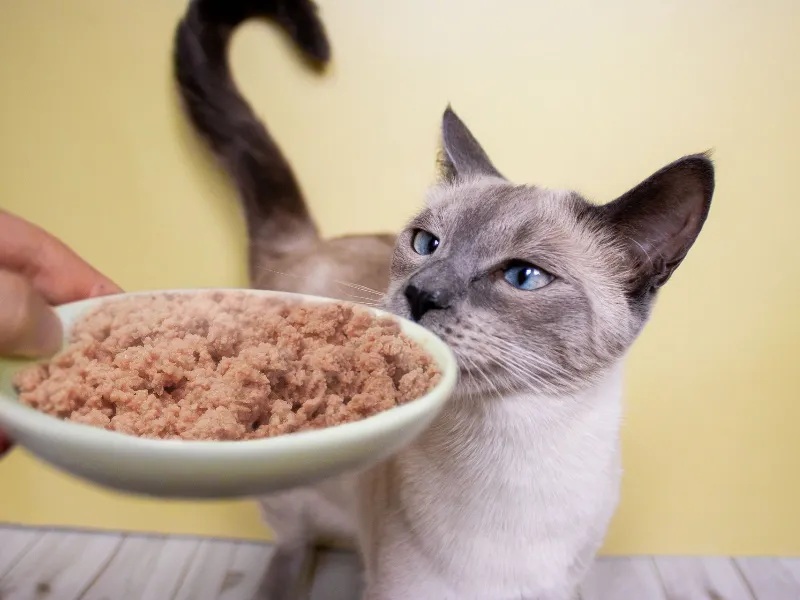
When a cat is diagnosed with diabetes, most owners panic about insulin. But the real foundation of treatment is food. I've worked with dozens of diabetic cats. The ones who do well have owners who understand three things: calories, carbs, and consistency. Without those, insulin is just a band-aid. And band-aids don't fix broken pancreases.
Why Carbohydrates Matter More Than Calories
For a healthy cat, carb content is secondary to calories. For a diabetic cat, it's everything. Cats are obligate carnivores. Their bodies aren't designed to process high-carbohydrate foods. Dry food often contains 30-50% carbs. Wet food typically has 5-10%. A 2023 study in the Journal of Veterinary Internal Medicine found that cats fed low-carbohydrate diets (less than 10% dry matter) were more likely to achieve diabetic remission — some within 3-4 months.
Calories still matter — obesity makes diabetes worse. But start with carb control first, then adjust portion sizes for weight.
The Consistency Rule: Same Food, Same Time, Every Day
Insulin dosing is based on food intake. If your cat eats different amounts at different times, their blood sugar will fluctuate unpredictably. That's dangerous. Here's the protocol I recommend:
Feed exactly the same amount at exactly the same times every day. Two meals, 12 hours apart. No free feeding. No "just a little extra." No treats except during a hypoglycemia emergency. Weigh every portion. A 5% variation in food intake can affect insulin needs. Use a kitchen scale. Never skip a meal before insulin. If your cat doesn't eat, skip the insulin dose and call your vet. Giving insulin to a cat that hasn't eaten can cause life-threatening hypoglycemia.
Weight Management in Diabetic Cats
Obese diabetic cats have a harder time achieving remission. Fat cells produce hormones that interfere with insulin sensitivity. But you can't put a diabetic cat on a crash diet — that can cause hepatic lipidosis. Safe weight loss for a diabetic cat is slower: 0.5-1% of body weight per week. For a 12 lb cat, that's 0.06-0.12 lb per week. Half the normal rate.
Work with your vet to adjust insulin as your cat loses weight. When weight drops, insulin needs usually drop too. If you keep giving the same dose, your cat may crash.
I had a client — I'll call her Rachel — with a 10-year-old diabetic cat named Simon. Simon weighed 16 pounds. Rachel switched him to a low-carb wet food, fed two identical meals per day, and reduced portions by 10%. Over six months, Simon lost 2.5 pounds and his insulin dose was cut by 40%. At his recheck, his glucose curve was nearly normal. Rachel cried. I almost did too.
What About Hypoglycemia Emergencies?
If your cat shows signs of low blood sugar (weakness, stumbling, seizures, lethargy), they need sugar immediately. Rub honey or corn syrup on their gums. Then call your vet. This is the ONE time you break the "no treats" rule. Keep a small tube of honey in your diabetes kit.
Many cats can achieve remission if you act aggressively with diet. A 2024 study found that cats started on low-carb wet food within 6 months of diagnosis had a 70% remission rate compared to 25% for those started later. Time matters. Check your cat's food today. Calculate the carbohydrate percentage on a dry matter basis (use our tool). If it's above 15%, talk to your vet about switching. Get a kitchen scale. Feed identical meals at identical times. And keep a log. Your cat's pancreas will thank you. And you might get to throw away the insulin needles forever.
— Olivia

Olivia Brennan
Certified Veterinary Nutritionist with 8 years of clinical experience. Creator of Cat Calorie Tool. Based in Portland, Oregon with two rescue cats: Milo and Luna.