How Much Should I Feed My Cat? A No-Guilt Guide to Portion Sizes
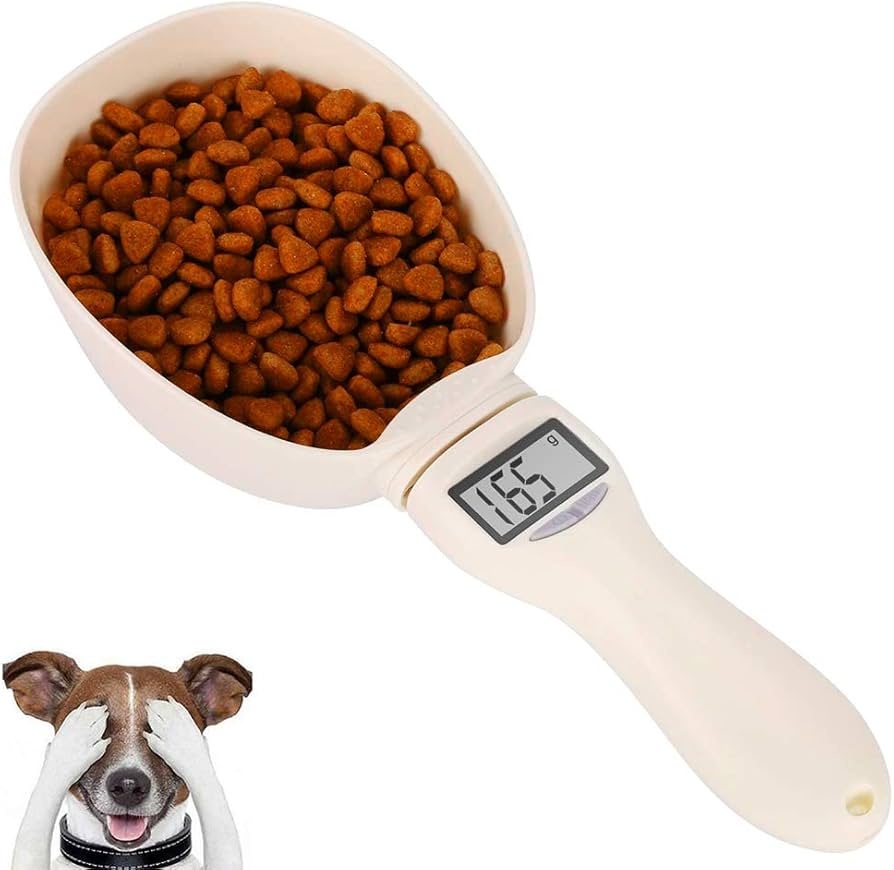
When I ask cat parents how much they feed, I get answers like "about a scoop" or "half a bowl" or "I just fill it up."
Those answers are why 61% of U.S. cats are overweight. Portion size is the single most important number in feline weight management. But most people have no idea what the right portion actually looks like. Let me fix that right now. No judgment. No shame. Just math.
I learned this when Milo was 4 years old. I was following the feeding guide on his kibble bag: "For a 10-12 lb cat, feed 1/2 to 3/4 cup per day." He was 12 pounds. I fed 3/4 cup. He gained weight. The vet said: "He needs about 220 calories a day." I did the math on his food. 3/4 cup was 280 calories. The bag was overfeeding him by 60 calories a day. That's like giving him an extra meal every three days. So how do you figure out the RIGHT amount? Let me walk you through it.
Step 1: Calculate Your Cat's Maintenance Calories
The formula vets use is called the Resting Energy Requirement (RER): 70 × (body weight in kg)^0.75. That's the base calories a cat needs at complete rest. Then multiply by a lifestyle factor:
Most indoor cats need about 1.2 × RER. A moderately active outdoor cat might need 1.4 × RER. A very lazy senior might need 1.0 × RER. Let me do an example. A 10-pound cat is 4.5 kg. 4.5^0.75 is roughly 3.1. 70 × 3.1 = 217 calories (RER). Multiply by 1.2 for an indoor cat: about 260 calories per day.
A 2024 study in the Journal of Veterinary Internal Medicine validated this formula for 200 indoor cats and found it predicted maintenance needs within 10% accuracy for 85% of cats. It's not perfect — some cats are metabolic outliers — but it's a far better starting point than the bag's feeding chart.
Step 2: Convert Calories to Actual Food
Now look at your cat's food bag. Find the calorie statement: something like "3,500 kcal/kg" or "400 kcal/cup." Divide your cat's daily calorie target by the calories per cup. That's how many cups you feed. But here's the trap: measuring cups are inaccurate. I've tested five different "1 cup" measuring cups from different brands. They varied by up to 20%. The only accurate way is a kitchen scale. Weigh the food in grams. Most bags have grams per cup somewhere on the label.
I had a client — I'll call her Patricia — with a 7-year-old black cat named Binx. Binx was overweight but not obese. We used the calculator and got 240 calories per day. After four weeks, Binx had lost 0.2 pounds. Perfect. Patricia wrote me: "I can't believe I've been guessing for seven years." She'd been using a scoop that held "about half a cup" but actually weighed 30% more than she thought.
Step 3: Adjust Based on Your Cat's Body Condition
The calculator gives you a starting point. But every cat is different. Some have faster metabolisms. Some are more active. Some are already overweight and need a deficit. After two weeks on the calculated amount, check your cat's body condition score. If they're losing weight when they shouldn't, add 10% more food. If they're gaining weight and should be stable, cut 10%.
A Note on Treats (They Count)
Remember the 10% rule. Treats should be no more than 10% of daily calories. For a cat eating 220 calories a day, that's 22 calories of treats. That's about two or three tiny freeze-dried chicken bits. Or half a dental chew. Or one and a half crunchy stars. If you give treats, subtract those calories from the meal portion. Feed a little less kibble to make room.
Here's the thing I wish someone had told me years ago: feeding your cat the right amount isn't deprivation. It's medicine. It prevents diabetes, arthritis, and a shorter lifespan. Milo gets exactly 220 calories a day now. He's 9.5 pounds. He runs around like a kitten. He's not hungry. He's just not overfed. Calculate your cat's calories today. Weigh their food for one week. See if they're close to the target. If they're over, cut back slowly — 10% per week until you hit the number. Your cat will adjust. And you'll both be better for it. That's all there is to it.

Olivia Brennan
Certified Veterinary Nutritionist with 8 years of clinical experience. Creator of Cat Calorie Tool. Based in Portland, Oregon with two rescue cats: Milo and Luna.