The Grain-Free Cat Food Debate: What the Science Says in 2026
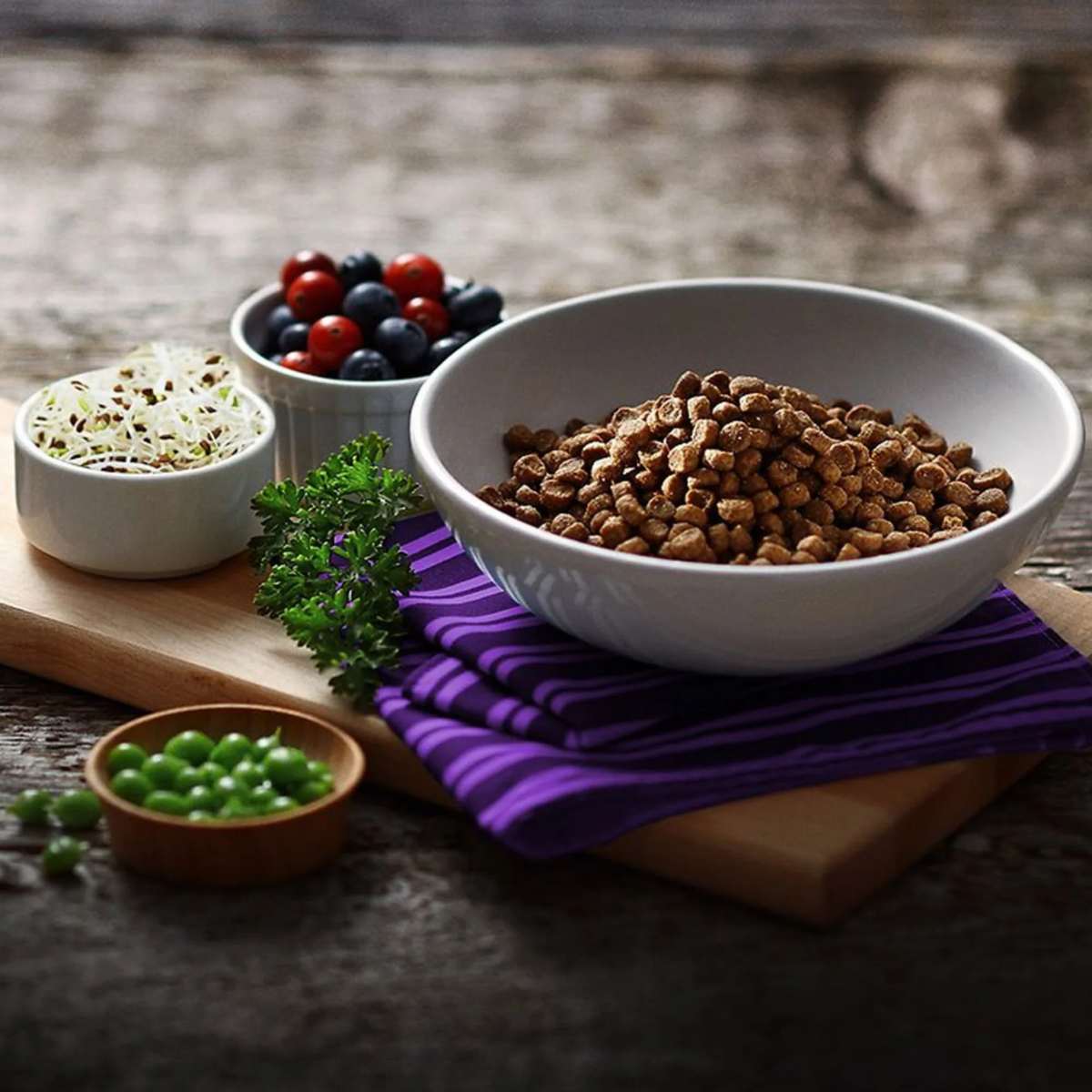
"Grain-free" sounds healthy. It sounds natural. It sounds like something your cat's ancestors would have eaten. And it's mostly marketing. I'm not saying grain-free is bad. I'm saying the debate is more nuanced than "grain-free good" or "grain-free bad." Let me walk you through what the science actually says in 2026. Because I've had clients spend $120 per month on grain-free kibble when a $45 grain-inclusive option had identical nutrition. The bag was prettier. The cat wasn't healthier.
Where the "Grain-Free" Trend Came From
Around 2010, a small number of dogs developed dilated cardiomyopathy (DCM) while eating grain-free diets, especially those with high levels of peas, lentils, and potatoes. The FDA launched an investigation. Panic spread to cat owners. But here's the key: cats are not dogs. The DCM link in cats is MUCH weaker. A 2023 review in the Journal of Feline Medicine and Surgery found no confirmed cases of diet-associated DCM in cats linked to grain-free diets. None. Zero. That doesn't mean grain-free is perfect. But the panic was overblown for cats.
What "Grain-Free" Actually Means (And What It Doesn't)
Grain-free means no wheat, corn, rice, barley, oats, or rye. Instead, manufacturers use peas, lentils, chickpeas, potatoes, or tapioca as carbohydrate sources. Here's what grain-free does NOT mean: Low carb. Many grain-free foods are still 30-50% carbohydrates. They just get carbs from peas instead of rice. High protein. Some are. Some aren't. You have to check the label. More natural. "Natural" is unregulated. Grain-free kibble is still processed. A 2024 analysis in Petfood Industry compared 50 grain-free and 50 grain-inclusive cat foods. The grain-free foods had slightly higher protein (42% vs. 38% dry matter) and slightly lower carbs (28% vs. 32%). The differences were small. Not zero — but small.
Are Grains Bad for Cats? The Science Says No.
Cats are obligate carnivores. That means they need animal protein. It doesn't mean grains are toxic. Grains provide carbohydrates. Cats don't need carbs — but small amounts are not harmful. A 2022 study fed cats diets with 0%, 15%, and 30% carbs (from rice) for 6 months. No negative health effects were observed at any level, though the 30% carb group gained more weight (because more calories, not because of the grain itself). Some grains (like rice and oats) are actually highly digestible for cats — over 90%. Others (like corn gluten meal) are excellent sources of protein. The idea that "grains are fillers" is oversimplified.
Here's what I tell my clients: grains are neutral. They provide calories and texture. If your cat does well on a grain-inclusive food, there's no reason to switch to grain-free. If your cat does well on grain-free, that's fine too. I had a client — I'll call her Emily — who was spending $120 per month on a grain-free "raw-inspired" kibble for her healthy 8-year-old cat. I showed her a grain-inclusive food with nearly identical protein and fat levels, for $45 per month. She switched. Her cat did just fine. She saved $900 a year. "I was paying for marketing," she told me. "Not for better nutrition."
When Grain-Free Might Actually Help
There are legitimate reasons to choose grain-free: Suspected grain allergy. True grain allergies are rare in cats (most food allergies are to proteins like chicken or fish), but they exist. If an elimination diet confirms a grain allergy, grain-free is necessary. Palatability. Some cats simply prefer grain-free formulas. If that's what they'll eat, feed it. Owner preference. If you feel better feeding grain-free, and your cat is healthy, it's fine. But don't choose grain-free because you think it's automatically "healthier" or "more natural." Those claims aren't supported by evidence.
The 2026 Update: New Research on Peas and Legumes
New research published in early 2026 has raised questions about high-legume diets (peas, lentils, chickpeas) — not for DCM, but for nutrient absorption. Some legumes contain compounds that can bind to minerals, potentially reducing absorption of zinc, iron, and calcium. The clinical significance for cats is still unclear. A 2025 study found that cats fed diets where legumes made up more than 30% of the formula had lower blood zinc levels than cats fed grain-inclusive diets. No cats showed symptoms of deficiency, but it's something to watch. My advice: if you feed grain-free, check the ingredient list. If peas or lentils are in the top 3 ingredients, consider rotating to a different formula or adding a zinc supplement (after checking with your vet).
Milo and Luna eat a grain-inclusive food. Not because I think grain-free is bad. Because it's affordable, they like it, and they're healthy. I have no reason to pay more for a different ingredient list. The grain-free debate is a distraction. What matters more than grains is protein quality, calorie density, and whether your cat eats it consistently. Focus on those. The rest is noise. Look at your cat's food label. Is the carbohydrate level under 30% dry matter? Is the protein over 40%? Is your cat at a healthy weight? If yes, grain-free or grain-inclusive doesn't matter much. If no, fix those problems first. Then worry about the grains. Or don't. Your cat won't care either way. Will you?
— O. Bennett
Olivia Brennan
Certified Veterinary Nutritionist with 8 years of clinical experience. Creator of Cat Calorie Tool. Based in Portland, Oregon with two rescue cats: Milo and Luna.